South Africa’s logistics, retail, and e-commerce sectors are expanding at an impressive pace. The national logistics market reached an estimated USD 25.34 billion in 2026, with projections pointing toward USD 36.1 billion by 2033. Meanwhile, online retail penetration continues to climb, and cold chain infrastructure is modernising rapidly to serve the food, pharmaceutical, and agricultural industries.
At the centre of these growth sectors lies a seemingly simple but mission-critical consumable: the thermal label. From barcode scanning at supermarket checkouts in Johannesburg to shipment tracking at the Port of Durban, thermal labels keep goods moving and data flowing. Choosing the right thermal label manufacturer — one that delivers consistent quality and stable supply — is therefore a strategic business decision, not just a procurement task.
This guide provides an objective, in-depth look at the South African thermal label landscape, covering technology choices, compliance requirements, industry applications, and sourcing strategies to help you make an informed decision.
Why South African Businesses Need a Reliable Thermal Label Manufacturer
Supply chain disruptions have become a recurring concern globally, and South Africa is no exception. Businesses that depend on thermal labels for daily operations — retailers printing price tags, logistics firms labelling thousands of parcels per day, warehouses managing inventory — cannot afford inconsistent supply.
Key market drivers include the rapid growth of courier and parcel volumes (projected CAGR of nearly 7% through 2031), infrastructure upgrades at major ports, and the government’s push toward digital logistics solutions. Johannesburg, Cape Town, and Durban serve as critical distribution hubs, and each requires a reliable label pipeline to function efficiently.
A dependable thermal label manufacturer offers more than just rolls of labels. They provide supply stability, quality consistency, competitive pricing, and the flexibility to scale as your business grows.
Direct Thermal Labels vs Thermal Transfer Labels: Which Is Right for Your Business?
Understanding the fundamental difference between these two technologies is the first step toward making the right sourcing decision.
Direct thermal printing uses a heated printhead to activate a chemical coating on the label surface, producing an image without ink or ribbon. Thermal transfer printing, on the other hand, uses a ribbon (typically wax, resin, or a blend) that melts onto the label face stock when heated.
| Feature | Direct Thermal Labels | Thermal Transfer Labels |
|---|---|---|
| Ribbon Required | No | Yes |
| Typical Lifespan | ~6–24 months | Several years |
| Cost per Label | Lower | Higher (ribbon cost added) |
| Durability | Moderate — sensitive to heat, UV, moisture | High — resistant to harsh conditions |
| Best Applications | Shipping labels, POS receipts, short-term retail tags | Asset tags, outdoor labels, chemical drums, long-term inventory |
| Print Quality | Good for barcodes and text | Excellent for fine detail, logos, and colour ribbons |
For South African businesses handling fast-moving consumer goods (FMCG), direct thermal labels are often the most cost-effective choice, as products typically have a short shelf cycle and labels do not need to last for years. However, industries requiring long-term traceability — such as mining equipment tagging, wine bottle labelling, or pharmaceutical compliance — should consider thermal transfer solutions.
Key Applications of Thermal Labels Across South African Industries
Thermal labels serve a remarkably wide range of sectors in South Africa. Understanding where they are used helps buyers specify the right material, adhesive, and size.
Retail and Food: Supermarket chains and independent retailers use direct thermal labels for shelf-edge pricing, weigh-scale labels, and promotional tags. South Africa’s food labelling regulations under the Consumer Protection Act (CPA) require clear, legible product information — making print quality non-negotiable.
Logistics and Warehousing: With the growth of e-commerce platforms and cross-border trade via the African Continental Free Trade Area (AfCFTA), barcode shipping labels are essential for package tracking, sortation, and last-mile delivery. The standard 100 × 150 mm (4×6) shipping label remains the industry workhorse.
Agriculture: South Africa is a major exporter of fresh produce, including citrus, table grapes, and wine. Thermal labels for fruit cartons, pallet identification, and cold-storage tracking must withstand humidity and temperature fluctuations.
Healthcare and Pharmaceuticals: Medicine labels, blood bag labels, and laboratory specimen labels require high-quality adhesives and substrates that perform under refrigeration or sterilisation conditions.
Manufacturing: Industrial-grade thermal transfer labels are used for work-in-progress tracking, finished goods identification, and compliance labelling in sectors ranging from automotive to chemicals.
What to Look for in a Thermal Label Manufacturer Supplying South Africa
Not all thermal label manufacturers are equal. South African importers and distributors should evaluate potential suppliers against several critical criteria.
Regulatory Awareness: The South African Bureau of Standards (SABS), operating under the Department of Trade, Industry and Competition, oversees labelling and marking requirements. Imported products must comply with specific product specifications, and the Consumer Protection Act (2011) places significant liability on manufacturers and distributors. Your label supplier should understand these requirements and provide compliant materials.
Material and Adhesive Options: A capable manufacturer should offer multiple face-stock materials (thermal top-coated paper, semi-gloss, synthetic, BOPP) and adhesive types suited to South Africa’s diverse climate and application environments.
| Adhesive Type | Temperature Range | Best Use Cases |
|---|---|---|
| Acrylic (Water-Based) | -20°C to +50°C | General purpose, retail, office |
| Hot Melt | -10°C to +60°C | High initial tack, cardboard cartons, logistics |
| Removable | 0°C to +40°C | Temporary promotions, repositionable labels |
| Deep Freeze | -40°C to +10°C | Cold chain, frozen food, pharmaceutical |
BPA-Free Compliance: Growing health and environmental awareness in South Africa has increased demand for BPA-free thermal paper products. Reputable manufacturers now produce BPA-free formulations with FSC-certified substrates.
Quality Certifications: Look for ISO 9001 quality management certification, SGS testing reports, and RoHS compliance as minimum standards.
Cold Chain and Freezer-Grade Thermal Labels: Meeting South Africa’s Growing Demand
South Africa’s cold chain infrastructure is advancing rapidly. Modern cold-storage facilities equipped with advanced refrigeration technologies are being built to serve the pharmaceutical, food, and agricultural industries.
Standard thermal labels may fail in cold environments — adhesive can lose tack, face stock can become brittle, and print can fade. Freezer-grade labels address these challenges with deep-freeze adhesives engineered to bond at temperatures as low as -40°C and face materials with protective top coatings on both sides.
When sourcing cold chain labels, specify the application temperature (the temperature at which the label is applied) and the service temperature (the temperature range the label must endure after application). These two values can differ significantly — for example, a label applied at room temperature to a container that will later be stored in a -30°C freezer has different adhesive requirements than one applied directly inside the freezer.
Custom Thermal Label Solutions: Sizes, Adhesives, and Printing Options
Off-the-shelf thermal labels work for many applications, but businesses seeking operational efficiency and brand differentiation often require custom solutions.
Common customisation parameters include label dimensions and shape (rectangular, circular, die-cut), core diameter (25 mm, 40 mm, or 76 mm), labels per roll, winding direction (inside or outside), and pre-printed content such as logos, borders, or regulatory text.
Linerless labels represent an increasingly popular option for environmentally conscious businesses. By eliminating the silicone release liner, linerless labels reduce waste by up to 40% and allow more labels per roll — translating to fewer roll changes and higher productivity on high-speed production lines.
A strong thermal label manufacturer will offer both plain (blank) and custom-printed labels across direct thermal and thermal transfer substrates, with a range of face stocks and adhesive formulations to match your specific requirements.
How to Ensure Stable Supply and Competitive Pricing for South African Importers
For South African businesses importing thermal labels, supply chain reliability is paramount. Here are the key factors that contribute to stable supply.
Factory-direct sourcing eliminates intermediary markups and gives you direct access to production scheduling. Working with a manufacturer rather than a trading company means shorter communication loops, better quality control visibility, and more competitive pricing on bulk orders.
Overseas warehouse availability can dramatically reduce lead times. Manufacturers with warehousing in strategic locations (such as the Middle East or the Americas) can pre-position stock for faster regional fulfilment.
Durban Port handles the majority of South Africa’s containerised imports. When planning shipments, factor in a sea freight transit time of approximately 18–25 days from East Asia, plus customs clearance. Maintaining a rolling safety stock of 4–6 weeks’ supply is a prudent strategy for high-volume operations.
Sourcing Options: Local South African Suppliers vs Overseas Manufacturers
South African buyers have the choice of sourcing from established local suppliers or partnering directly with overseas manufacturers. Both options carry distinct advantages.
| Criteria | Local SA Suppliers | Overseas Manufacturers (e.g., China) |
|---|---|---|
| Lead Time | Short (days to 1-2 weeks) | Longer (3-5 weeks by sea) |
| MOQ Flexibility | Small to medium runs | Often better pricing at high volumes |
| Unit Cost | Higher (local production costs) | Lower (scale economies, factory-direct) |
| Customisation | Limited by local equipment | Extensive (multiple material, adhesive, size options) |
| After-Sales Support | On-the-ground service | Remote, but improving with overseas warehouses |
| Compliance Knowledge | Strong local regulatory expertise | Requires buyer guidance on SA standards |
| Product Range | Focused on popular SKUs | Broad (thermal, shipping, A4, linerless, industrial, Dymo, etc.) |
Notable South African Suppliers
Teraoka (South Africa) has been producing self-adhesive label materials locally since 1995 and is one of the few South African companies that laminate their own pressure-sensitive materials. They serve the retail food market extensively and comply with SABS standards.
Lithotech Labels offers both plain and custom-printed thermal labels and thermal transfer ribbons. Their product range includes agricultural tags (Agri Tags) and SABS-certified ribbons, making them a versatile local option.
Spec Systems (Bidvest Labels) is an ISO 22000:2018 certified operation with over 32 years of experience in auto-ID solutions, self-adhesive labels, and thermal transfer ribbons.
These local players provide valuable on-the-ground service and fast turnaround for standard products.
Sourcing from China: A Competitive Alternative
For businesses requiring high-volume supply, broader customisation, or aggressive pricing, partnering with a certified Chinese thermal label manufacturer is a proven strategy. China’s label manufacturing industry benefits from mature raw material supply chains, large-scale production capacity, and decades of export experience.
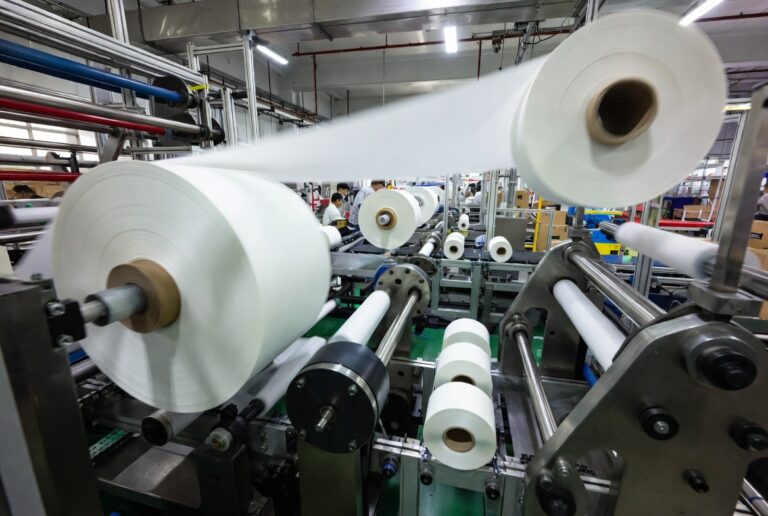
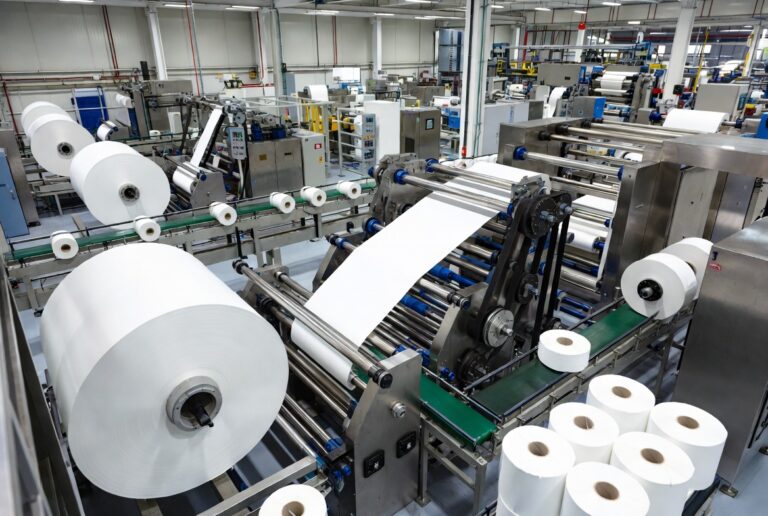
SailingLabel is one such manufacturer worth considering. Founded in 2005 and headquartered in Shenzhen, SailingLabel has grown over 19 years into a comprehensive label manufacturing group with production facilities in both China and Malaysia. The company holds ISO 9001:2015, GMI, SGS, and RoHS certifications and operates three standardised testing laboratories with 19 specialised instruments.
SailingLabel’s product range includes direct thermal labels, shipping labels, A4 labels, linerless labels, industrial labels, and thermal paper rolls — covering virtually every application South African businesses require. Adhesive options span hot melt, acrylic, removable, and deep-freeze formulations, paired with face stocks ranging from thermal top-coated paper to synthetic and BOPP materials.
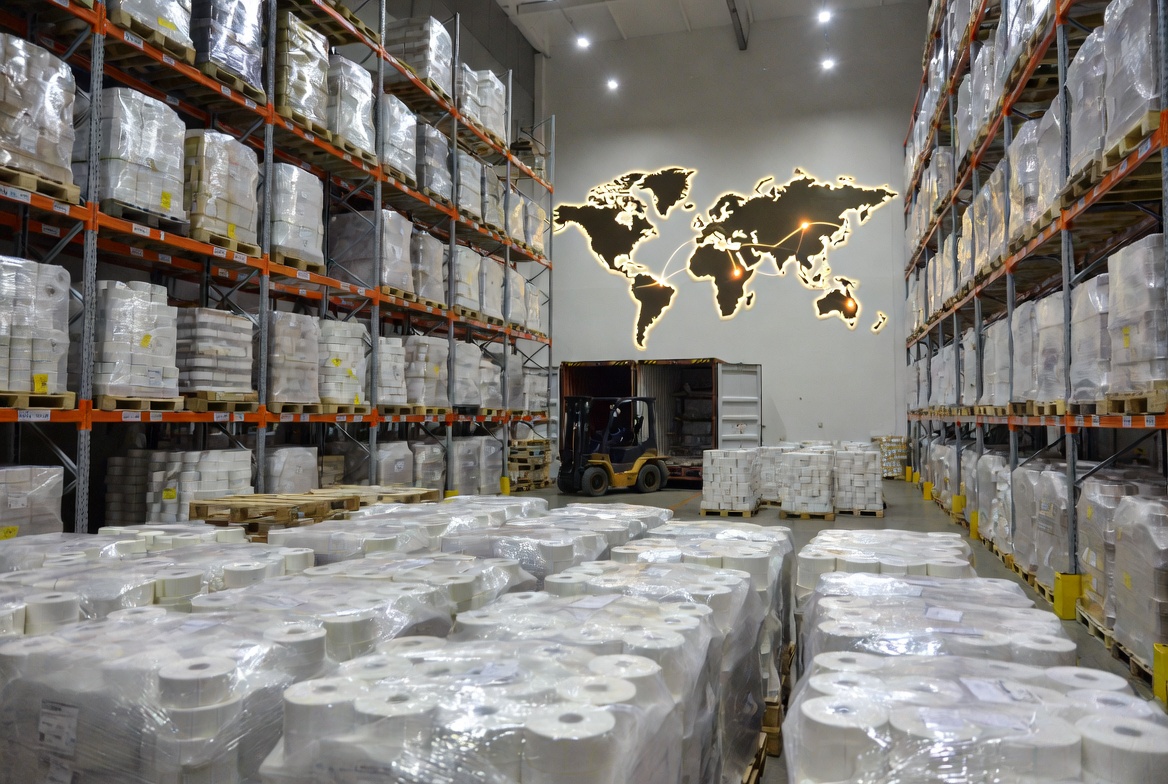
For importers, SailingLabel offers several practical advantages: factory-direct pricing with flexible MOQs starting from as low as 100 pieces, free sample programmes with 3–5 working day turnaround, OEM/ODM support with in-house design capabilities, and global shipping via air freight, sea freight, and DDP express. The company also operates overseas warehouses in the United States, Saudi Arabia, and Dubai, with plans to expand further. Their About Us page details how they have scaled clients from initial small orders to full container load partnerships.
South African distributors and resellers can contact SailingLabel directly to request samples, discuss specifications, or explore distributor partnership opportunities.
Thermal Label Compliance: Understanding South African Labelling Standards
Importing labels into South Africa requires awareness of the regulatory framework. The SABS issues Letters of Authority (LOAs) for controlled products, and importers bear responsibility for ensuring product compliance.
Key compliance considerations for thermal label importers include ensuring that label materials meet the relevant SANS standards, that all printed label content is in English (with the option to include at least one other official South African language), and that materials intended for food-contact applications comply with health and safety regulations.
The Consumer Protection Act (2011) places increased liability on both foreign manufacturers and their local distributors. If an imported product’s labelling fails to meet specifications, the importer is ultimately responsible. Working with a manufacturer that provides comprehensive documentation — including material safety data sheets (MSDS), certificates of analysis (COA), and SGS test reports — can significantly reduce compliance risk.
Frequently Asked Questions About Thermal Labels for South Africa
Q1: What is the difference between direct thermal and thermal transfer labels?
Direct thermal labels use heat-sensitive coatings that darken when exposed to a heated printhead — no ribbon is required. Thermal transfer labels require a wax or resin ribbon and produce more durable prints suitable for long-term applications.
Q2: How long do direct thermal labels last?
Under normal indoor conditions, direct thermal labels typically remain legible for 6 to 24 months. Exposure to direct sunlight, heat, or moisture accelerates fading.
Q3: Can thermal labels withstand freezer conditions?
Yes, but only if specified correctly. Deep-freeze adhesive labels are engineered to maintain bond strength at temperatures as low as -40°C. Standard adhesives will fail in freezer environments.
Q4: Do thermal labels need to meet SABS standards for import into South Africa?
Imported products must comply with relevant SABS specifications. If a product lacks the required quality marks, the importer assumes full responsibility for quality compliance.
Q5: What adhesive types are available for thermal labels?
The four main categories are acrylic (water-based), hot melt, removable, and deep freeze. Each is optimised for different temperature ranges and application surfaces.
Q6: What is the minimum order quantity (MOQ) for bulk thermal label imports?
MOQs vary by manufacturer. Some Chinese manufacturers, such as SailingLabel, offer MOQs as low as 100 pieces per SKU, while bulk container orders provide the best per-unit pricing.
Q7: How are thermal labels shipped to South Africa?
Most bulk orders arrive via sea freight to Durban port, with a typical transit time of 18–25 days from China. Air freight and DDP express are available for urgent orders.
Q8: Are BPA-free thermal labels available?
Yes. Reputable manufacturers now offer BPA-free thermal paper formulations, often accompanied by FSC certification for sustainable sourcing.
Q9: Can I order custom-printed thermal labels with my branding?
Absolutely. Most manufacturers support custom printing including logos, barcodes, QR codes, regulatory text, and full-colour designs via flexographic or digital printing.
Q10: Which industries in South Africa use thermal labels the most?
The highest-volume sectors are retail (POS and pricing), logistics and e-commerce (shipping labels), food and agriculture (weigh-scale and cold-chain labels), healthcare (specimen and medicine labels), and manufacturing (asset and compliance labels).
Conclusion
The South African thermal label market is growing in line with the country’s expanding logistics infrastructure, rising e-commerce penetration, and increasingly sophisticated cold chain requirements. Whether you source locally from established suppliers like Teraoka, Lithotech, or Spec Systems, or partner with a certified overseas manufacturer like SailingLabel for cost-competitive, high-volume custom production, the key is to prioritise quality consistency, supply reliability, regulatory compliance, and total cost of ownership.
By understanding the technical differences between label types, matching adhesives and materials to your specific application environment, and building a sourcing strategy that balances local agility with global scale, South African businesses can turn their thermal label supply chain into a genuine competitive advantage.